Buying a home is one of the biggest financial decisions you'll ever make. Whether you're purchasing your first home, upsizing, downsizing, relocating to Grey Bruce, or searching for a waterfront or rural property, our goal is simple: to help you make a confident decision you'll be happy with for years to come.
Buying a home isn't just about finding the right house, it's about making one of the biggest financial decisions of your life. That's a responsibility we take seriously.
Our role is to educate you, protect your investment, negotiate on your behalf, and help you make informed decisions every step of the way. Sometimes that means encouraging you to write an offer. Other times, it means advising you to walk away from a property that doesn't represent good value or has concerns that could affect your future.
We measure our success by helping you make the right decision, not simply by helping you buy another home.
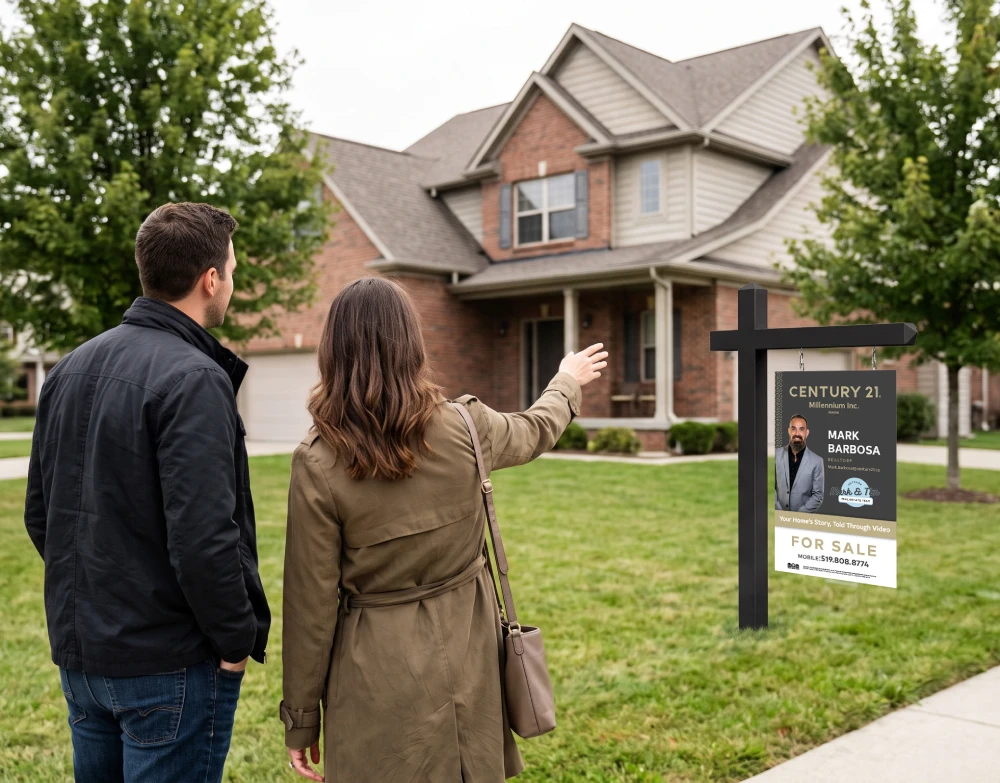
Every buyer has a different story. We'll begin by learning about your goals, budget, preferred communities, timeline, and future plans. Whether you're looking for your first home, a larger family home, a rural property, waterfront, or an investment, we'll create a strategy tailored to you.
Understanding your budget is one of the most important first steps. If you haven't already connected with a lender, we'll introduce you to trusted local mortgage professionals who can help.
Before we start touring homes, we'll walk you through everything you need to know. By the time you begin viewing homes, you'll understand the process and feel confident making decisions when the right opportunity comes along.
Once we understand exactly what you're looking for, we'll begin searching together. You'll receive carefully selected listings that fit your goals rather than being overwhelmed with every property that hits the market. We'll also monitor price reductions, upcoming listings, and opportunities that match your criteria.
Viewing homes is about much more than finishes and staging. Our goal is to help you understand both the opportunities and the potential risks before making a decision.
When you've found the right home, we'll build a negotiation strategy designed specifically for that property. We'll review comparable sales, explain every clause and condition, discuss pricing strategy, and negotiate confidently on your behalf while protecting your interests throughout the process.
Once your offer is accepted, we'll coordinate with your lawyer, mortgage broker, home inspector, and the listing brokerage to ensure everything proceeds smoothly through closing. Even after you've received the keys, we're here to recommend trusted contractors, tradespeople, local professionals, and answer any questions that come up along the way. For us, the relationship doesn't end on closing day.
"The Mark And Tim Real estate team helped buy our very first Home. We could not be more appreciative of the help we had from Terri. She was awesome in the selection and looking at quite a few different options. She was so easy to communicate with and super helpful with understanding how the process works. I recommend this team for anyone who's looking to buy a home or sell a home. They are awesome and know what they're doing! 10/10"
The amount you need depends on the price of the home, your down payment, and closing costs. In Canada, eligible buyers can purchase a home with as little as 5% down. For example, a $500,000 home would require a minimum down payment of $25,000. You'll also need to budget for legal fees, land transfer tax, home inspections, and other closing expenses.
The minimum down payment is 5% for homes priced at $500,000 or less. For homes between $500,000 and $1.5 million, you'll need 5% on the first $500,000 and 10% on the remaining amount. Homes priced at $1.5 million or more generally require at least 20% down. If your down payment is less than 20%, mortgage default insurance is typically required.
A general rule of thumb is that buyers may be able to afford a home priced around three to four times their gross annual household income.
Annual Household Income Estimated Home Price $75,000$225,000–$300,000 $100,000$300,000–$400,000 $125,000$375,000–$500,000 $150,000$450,000–$600,000 $175,000$525,000–$700,000 $200,000$600,000–$800,000
This is only a starting point. Your actual purchasing power depends on your down payment, existing debts, credit score, mortgage rates, and other monthly expenses.
Canadian lenders typically use two important affordability guidelines: housing expenses generally shouldn't exceed 39% of your gross monthly income, and total debt payments generally shouldn't exceed 44%. Getting pre-approved is the best way to establish a realistic budget.
Many traditional mortgage lenders look for credit scores in the 600–680 range or higher, depending on the mortgage product and lender. A higher credit score can improve your financing options and potentially help you secure a better interest rate. However, buyers with lower credit scores may still qualify for financing depending on their income, down payment, and financial situation.
First-time homebuyers in Ontario may qualify for several programs designed to make homeownership more affordable.
These include:
As a general guideline, buyers should budget approximately 1.5% to 4% of the purchase price for closing costs. These may include land transfer tax, legal fees, title insurance, home inspection fees, and property tax adjustments. The actual amount varies depending on the property and purchase price. Eligible first-time buyers may qualify for rebates that reduce certain costs.
Yes. Getting pre-approved helps establish how much you may be able to borrow and allows you to focus on homes within your price range. It also puts you in a stronger position when you're ready to make an offer. However, a mortgage pre-approval is not a guarantee of financing, as your lender will still need to verify your financial information and approve the property.
You aren't legally required to work with a real estate agent, but having an experienced buyer's agent can make the process significantly easier. A real estate professional can help you find suitable properties, evaluate asking prices, arrange showings, negotiate offers, and navigate the legal and financial steps involved in purchasing a home. Representation agreements and potential fees should be discussed upfront.
Common conditions include obtaining satisfactory mortgage financing and completing a home inspection. Depending on the property, additional conditions may include insurance approval, well water testing, septic inspections, or reviewing condominium documents. Conditions help protect buyers by providing an opportunity to investigate important details before the purchase becomes firm.
The homebuying process can take anywhere from a few weeks to several months, depending on your financing, available properties, and market conditions. Once an offer is accepted, closing typically occurs within 30 to 90 days, although shorter or longer closing periods can be negotiated. Working with a real estate agent, mortgage professional, and lawyer can help keep the process organized.
There are advantages and disadvantages to both approaches. Selling first provides certainty about your available equity and reduces the risk of carrying two properties. Buying first gives you more flexibility when searching for your next home but can create financial pressure if your existing property takes longer than expected to sell. The best strategy depends on your financial situation and current market conditions.
Yes, provided you qualify financially. Some homeowners can temporarily carry two mortgages, while others may use bridge financing or include a sale-of-property condition in their offer. Before purchasing, it's important to understand your borrowing capacity and have a realistic plan for selling your existing home.
Buying and selling simultaneously requires planning, particularly when coordinating financing, offers, and closing dates. A good starting point is determining your current home's market value, speaking with your mortgage lender, and establishing a strategy for both transactions. Ideally, the closing dates will align, although bridge financing may be available if they don't.
The amount of equity needed depends on your next home's purchase price, your current mortgage balance, and your borrowing qualifications. For example, if your house sells for $600,000 and you owe $300,000 on your mortgage, you have $300,000 in gross equity before selling costs and other expenses. That equity can potentially be used toward the down payment on your next home.
Bridge financing is a short-term loan that allows homeowners to access equity from their existing property when their new home closes before their current home sells. This can help cover the down payment and make coordinating two transactions easier. Most lenders require a firm sale agreement on your existing home, and interest and fees generally apply.
Many mortgage products offer portability, allowing homeowners to transfer their existing mortgage rate and terms to another property, subject to lender approval. This can be especially beneficial if your current mortgage rate is lower than what's available today. Some lenders also allow borrowers to increase their mortgage amount while retaining part of their existing rate.
When selling and buying a home in Ontario, you'll want to budget for real estate commissions, legal fees, land transfer tax on your new purchase, moving expenses, and potential mortgage penalties. There may also be costs associated with staging, repairs, inspections, and property tax adjustments. Understanding the full costs of both transactions will help determine your available budget for your next home.
The answer depends on your home's location, the renovations required, and your long-term goals. Renovating may make sense if you love your current neighbourhood and can reasonably create the additional space you need. Moving may be more practical if your home has layout limitations, insufficient property size, or other features that would be difficult or expensive to change. Comparing renovation costs against the expenses of moving can help you make an informed decision.
The right time to move depends on your financial position, lifestyle needs, and local real estate conditions. In a slower housing market, your current home may sell for less than it would have previously, but you may also have greater negotiating power when purchasing a more expensive property. For move-up buyers, the difference between the price of the home you're selling and the one you're purchasing can matter more than whether home prices are rising or falling overall.
If you've purchased a new home without a sale-of-property condition, you're generally still legally obligated to complete the purchase, even if your existing house hasn't sold. This can create financial difficulties if you're relying on the proceeds from your sale. Before committing to a purchase, it's important to understand your financing options, evaluate how quickly your home is likely to sell, and establish a contingency plan.
We’d love to hear from you! Whether you’re ready to start your real estate journey, have questions about buying or selling, or just want expert guidance, our team is here to help. Reach out today and let’s make your next move a confident one.